Question: What is the Electronic Check Clearance Law, 5776-2016, and how does it assist me?
Answer: This is a new process that enables the transition from physical clearing of checks to electronic clearing by stopping the check at the presenting bank (the collecting bank) and sending image files of the checks to the paying bank (the bank on which the check is drawn), as an alternative to the physical transportation of the check from the bank where it was deposited to the check writer’s bank. This process is also called the check truncation process, because the check is stopped at the presenting bank, or the check imaging process, because the presenting bank creates an image file (picture) of the physical check.
Thanks to the Electronic Check Clearance Law, 5776-2016, it is possible to provide cheaper, innovative, more convenient, and faster banking services to the general public, and the customer can deposit a check without needing to arrive at a branch, by depositing through the banking application.
Question: Why was the process of check truncation / check imaging created?
Answer: The 138 million checks deposited in Israel in 2015 show that the use of checks still occupies a significant volume of the way we pay. The new process upgrades the old check clearing processes and uses innovative technologies to increase efficiency and speed in its clearing process. Introducing innovation into the process enables the ability to carry out faster, more convenient, and cheaper deposit options.
Question: How does the check truncation process affect me?
Answer: You will still use the physical check to make a payment, and when you receive a check, you will be able to deposit the check through the branch. However, you now have a new, advanced, and faster way to deposit the check, and you can deposit the check without coming to the bank branch, using the banking application.
In addition to the changes in the deposit process, another area that has changed is the process of returning a check. As mentioned, the meaning of the change is turning the physical check into an image. Therefore, when returning a check to a customer, two alternatives will be possible: asking the bank to deposit the check a second time, or receiving a “computerized check printout” (see answer to the question – “What is a computerized check printout?”) containing an image of the check and reasons for return. After generating a printout, the customer will not be able to deposit the check a second time or transfer it to a third party.
Question: Will the duration of check clearance change due to the new process?
Answer: As of the start of the process, the duration of check clearance will not change. But thanks to the Electronic Check Clearance Law, we will be able in the future, after the process is completed, to shorten the duration of time that will elapse from the stage of presenting the check for payment until the stage of crediting the customer’s account (currently, credit by virtue of a check is final only after three business days). This means that the depositing customer will be able to receive the final credit to their account faster.
Question: When did the new process begin?
Answer: The implementation of the law was carried out in two main stages:
November 08, 2016 – Starting from this date, the following banks: Bank Hapoalim, Bank Leumi, Arab Israel Bank, Bank Discount, Mercantile Discount Bank, Bank Mizrahi, First International Bank, Bank Otsar Ha-Hayal, Bank Massad, UBank, PAGI – allow their customers inter-bank deposit of checks using the banking application.
November 21, 2017 – Starting from this date, all checks deposited, through all deposit means, are presented for electronic collection.
Question: What are the benefits for me as a result of the new process?
Answer: The new process allows for the provision of cheaper, innovative, convenient, and faster banking services for the general public. The imaging of checks allows banks to expand services for depositing checks through the banking application. Starting 21/11/2017, in most banks, the customer can use banking applications to deposit checks from all banks and is not required to reach the bank branch to deposit the check for redemption. As a result, check deposit costs were also reduced by up to approximately 75%, since electronic deposit is considered a direct channel operation (and for customers subscribed to the plan service, it will be counted in the quota of allowed unpaid actions in this channel).
Question: Does the new process include all checks and all banks?
Answer: The new process includes all checks denominated in Shekels.
The implementation process was carried out gradually – the first stage began on November 08, 2016, which allowed inter-bank clearing, between most banks in Israel, of checks deposited via the banking application. The second stage began on November 21, 2017, and includes all banks in Israel, under which all checks passing through inter-bank clearing are presented for collection electronically.
Question: Am I required to do anything differently?
Answer: If you do not want to, you do not have to change the way you handle checks. However, the new process gives you the ability to choose whether to reach the bank branch to deposit the check, or choose to deposit without reaching the bank branch by using banking applications. If you usually deposit checks with the teller, the new process will also allow you to reduce deposit costs by about 75%, since electronic deposit is considered a direct channel operation (and for customers subscribed to the plan service, it will be counted in the quota of allowed unpaid actions in this channel).
Question: I deposited a check, and the check bounced. What are my options?
Answer:
Ask your bank to deposit the check again, if there is no obstacle to doing so.
Contact the person who gave you the check to receive alternative payment.
Request a document called a “computerized check printout” from your bank.
Print independently from your bank’s website where your account is managed a “computerized check printout”.
Please note – if you request to receive a “computerized check printout” (see answer to question – “What is a computerized check printout?”) – after receiving the printout, you will not be able to deposit the check again or transfer it to a third party.
Question: What is a “computerized check printout”?
Answer: In the past, when a check bounced, you would receive the physical check with the reasons why the check bounced written on it.
Today, when a check is returned, the bank must generate for you, at your request, a computerized check printout that replaces the physical check and serves as admissible evidence in a legal proceeding (court or execution office).
Please note – if you deposited the check using the banking application and the check bounced, and you want to receive a computerized check printout, the bank will inform you, prior to generating the printout, that the check may not be deposited for collection another time and may not be transferred to a third party.
Question: I decided to ask the bank to generate a computerized check printout for me, what details should I make sure appear on it?
Answer: Hyperlink to Appendix 314 of the Clearing House Rules – Computerized check printout
Question: Do all bank applications allow check scanning? Is the process simple?
Answer: Implementation of the Electronic Check Clearance Law, 5776-2016, helps in the process of developing cheaper, more innovative, and more intuitive banking services for the general public. Since each bank offers different technological services to its customers, you should check with your bank whether it allows the service of depositing a check through the banking application.
Depositing checks using the banking application, without physical deposit of the check itself, is done through the “mobile check deposit” service in the bank’s application, by photographing the check and sending it to the bank in an encrypted manner. Thus saving the customer from coming to the branch or self-service kiosk to make the deposit. Through this method, only the deposit of checks marked “Payee Only” and whose amount is less than 10,000 NIS will be possible. After completing the operation, the customer will be required to keep the original check for at least three days.
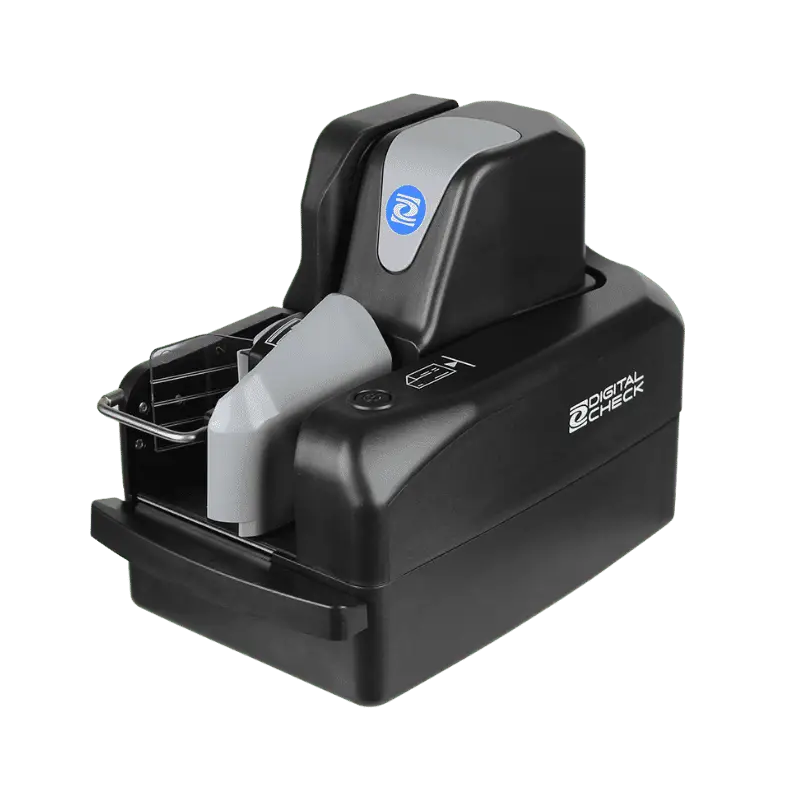
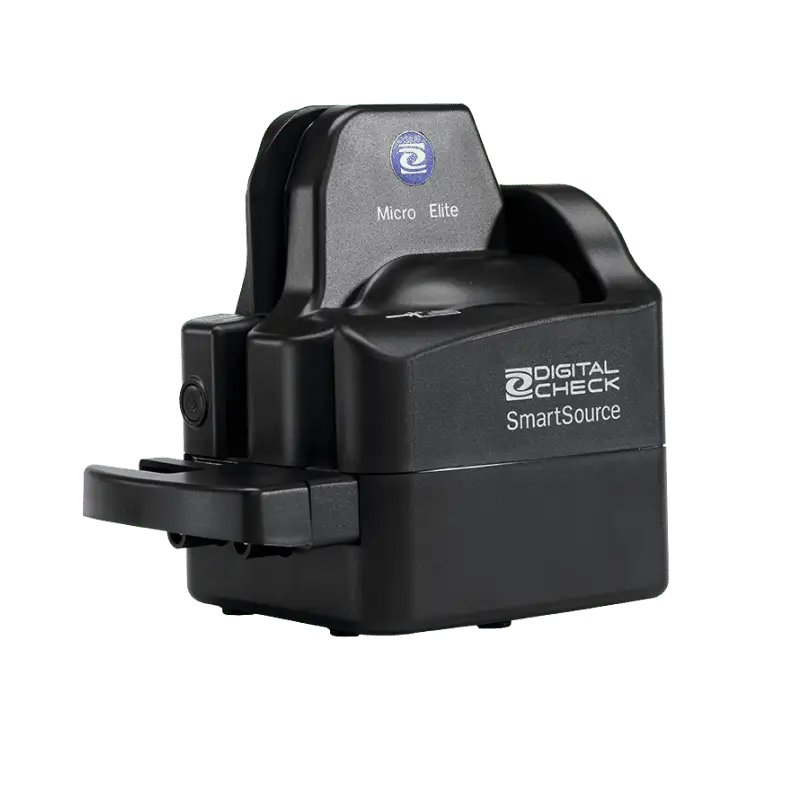
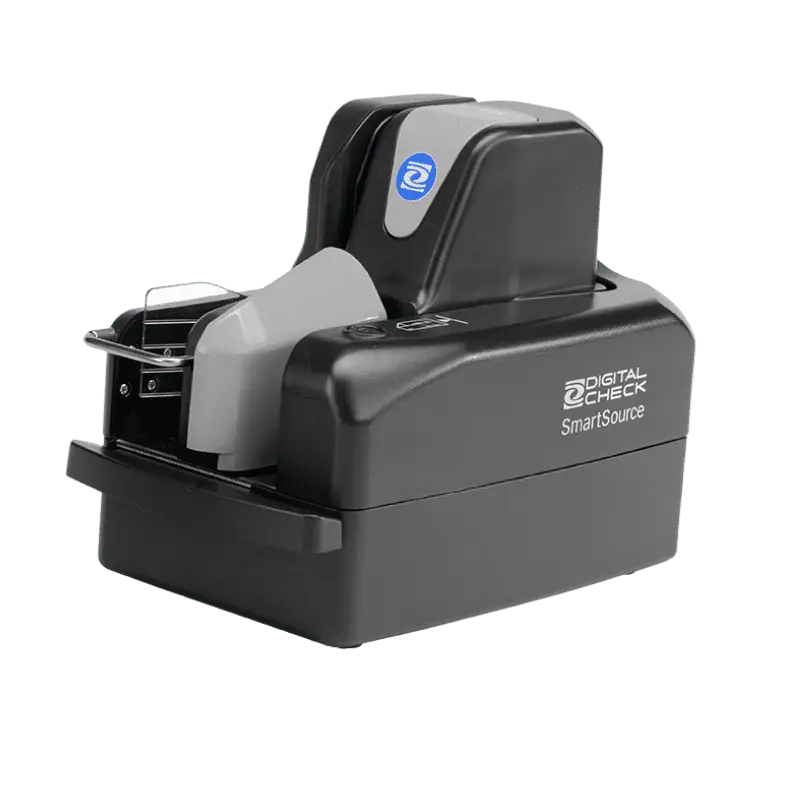
Question: Photographing via the banking application is not convenient, and my business deposits dozens of checks a day. Will it be possible to scan the checks other than through the mobile banking application?
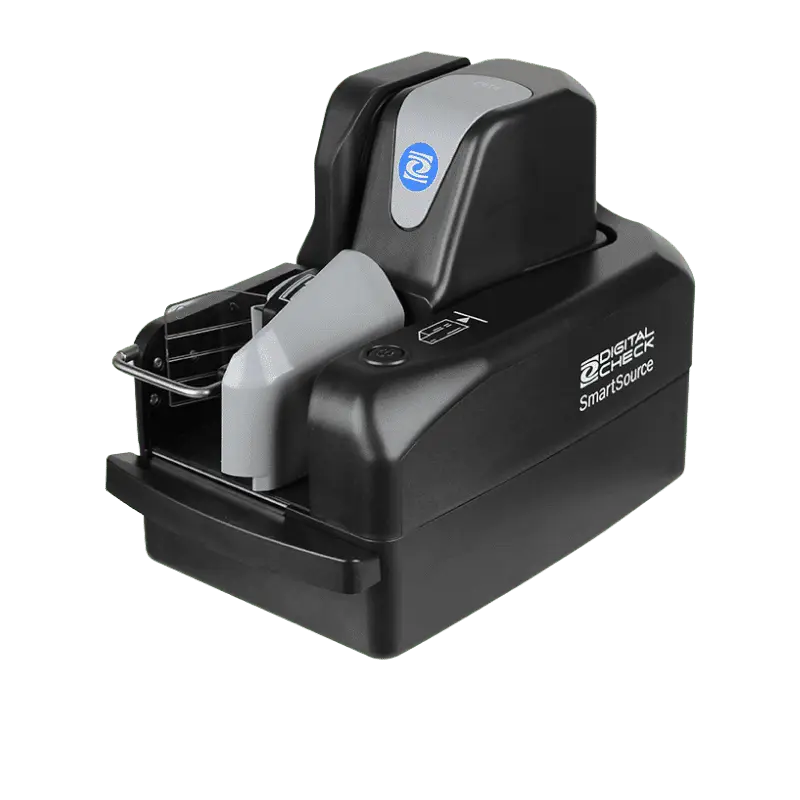
Answer: Other technological services that allow scanning and remote deposit of checks without the customer needing to come to the branch are enabled by the banks starting November 21, 2017. In any case, each bank enables different technological services to its customers, therefore, you should check with your bank whether it enables this service.
Question: Will it be possible to deposit post-dated checks for safekeeping?
Answer: The Electronic Check Clearance Law, 5776-2016 does not affect the deposit of post-dated checks because the change applies only from the presentation process of the check between banks. Therefore, the deposit process of a post-dated check can only be done at the branch and will remain as it is done today. When a post-dated check is deposited, the bank will keep the physical check and only when the date arrives on which the check can be presented, and when the presenting bank presents the check to the paying bank, the presenting bank will turn the physical check into an image of a check.
Question: Does the Electronic Check Clearance Law, 5776-2016 constitute a digital solution that is an alternative to checks?
Answer: No, the physical check will still continue to exist and the drawer will continue to write paper-based checks and hand them over to the payee. The Electronic Clearance Law provides new ways to deposit and credit the payee’s account. The new process is intended to streamline the deposit process between the customer and their bank, and the clearing process between banks, by changing the communication process between banks, which will now be done via a digital image file as an alternative to physical transportation of the check from the bank where it was deposited to the check writer’s bank, as well as changing the handling process of a refused check.
Sources: Bank of Israel website