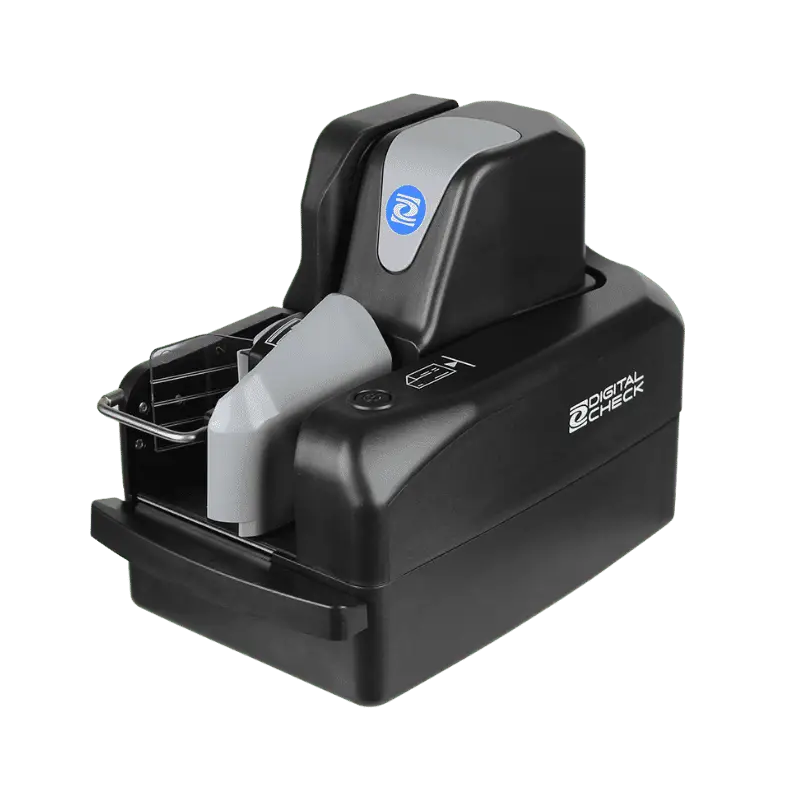
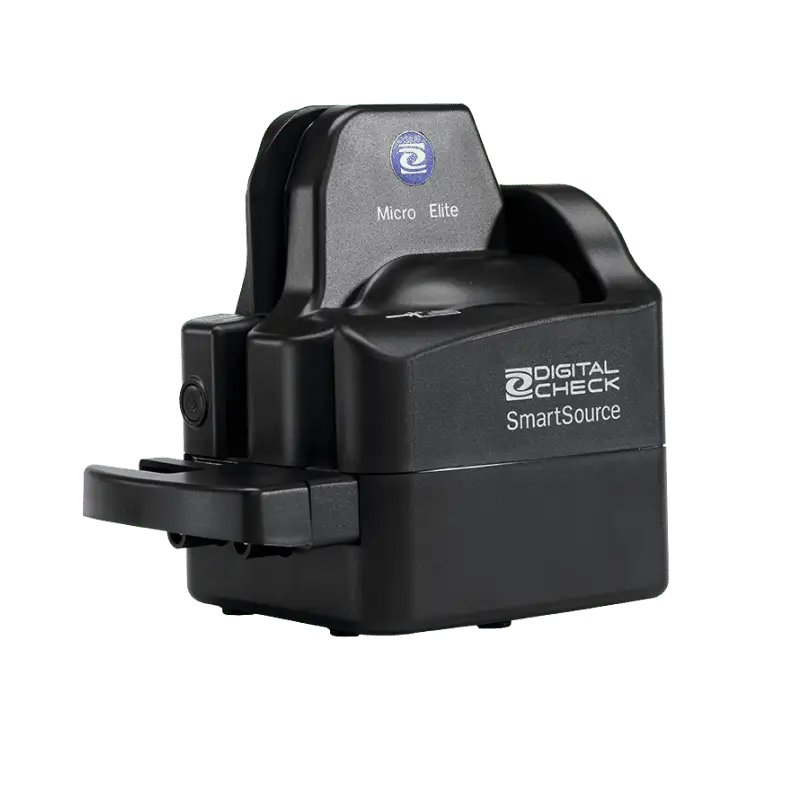
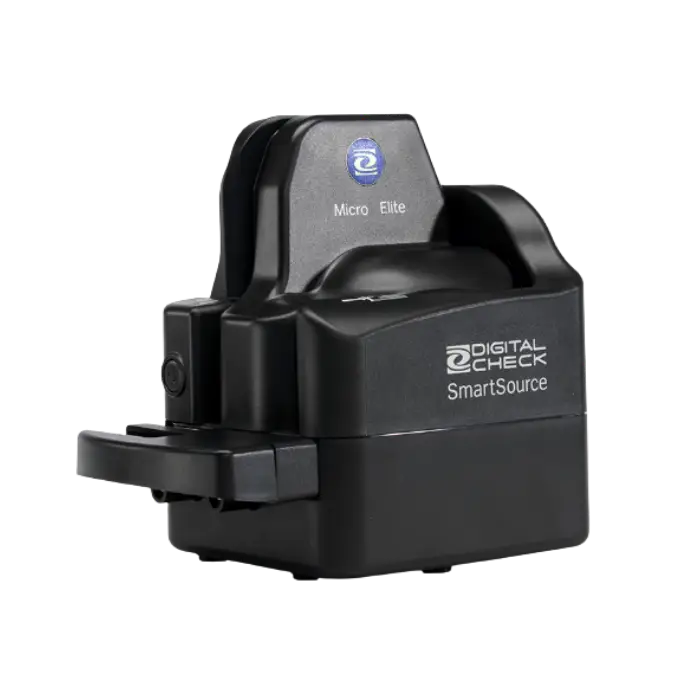
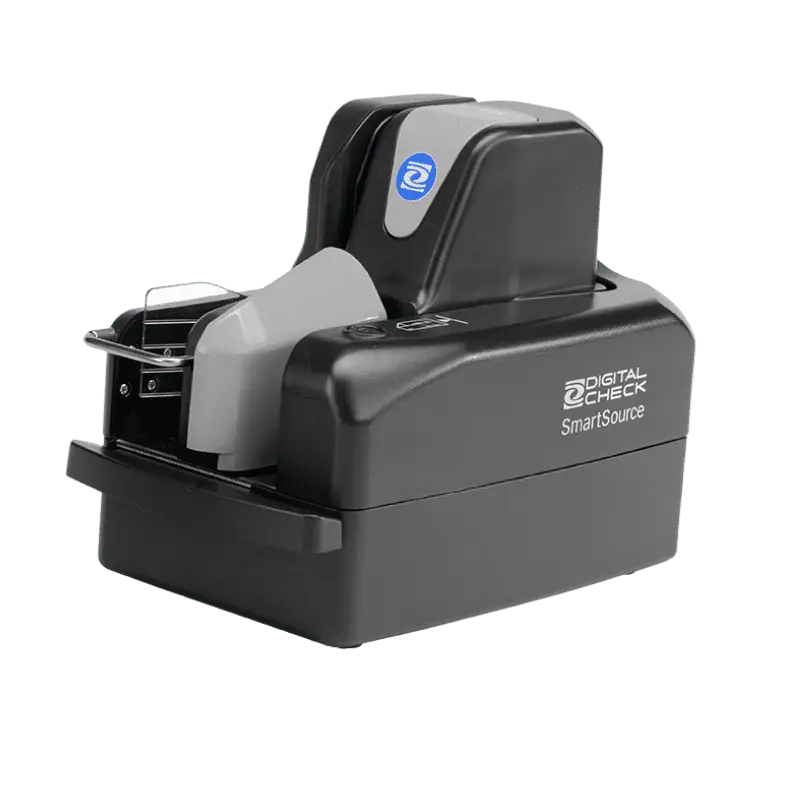
In January 2015, the Ministry of Justice issued a memorandum for the Electronic Check Clearance Law, outlining upcoming changes in the Israeli economy. Its essence: transitioning from the physical clearing of checks to electronic clearing conducted via computer communication. At the end of 2017, the law came into effect, initially between bank clearinghouses, and by early 2018, the banks’ strategic clients actively joined the implementation of the law’s main provisions.
The purpose of electronic clearance is to streamline the check clearing process and achieve cost savings across several aspects. Since the law took effect, businesses can deposit received checks at any given moment via electronic communication by clearing the check’s details and image. The data of checks intended for deposit is transmitted to the bank, a confirmation response regarding validity is returned to the business, and physical deposit is no longer required.
Because electronic clearance is faster than physical clearance, the timeframe between presenting a check for payment and crediting the customer’s account is shortened, ensuring faster transaction certainty.
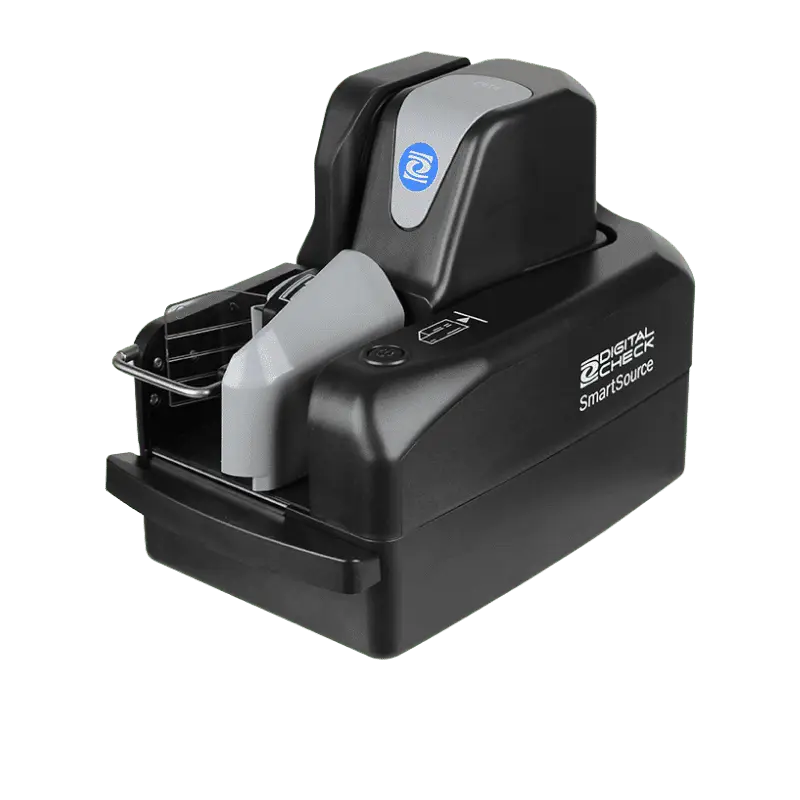
What are the additional benefits of using a check scanner?
Streamlining the business’s financial operations from the moment a check is received:
Time savings and error prevention: Reads the magnetic strip from checks and enters the data digitally into the organization’s software, eliminating manual typing errors.
Documentation: Captures images of both sides of the check and saves them to an archive.
Regulatory compliance: Scans images according to the Bank of Israel standard for the Electronic Check Clearance Law.
Security: Enables real-time verification of restricted bank accounts with the Bank of Israel upon receiving the check from the customer.
Efficiency: Automatically endorses/stamps the back of the check.